🛍️ Overhauling the D2C Storefront for Trust & Conversions
Migrating a slow, multi-template legacy Shopify site into a unified, high-performance storefront driving direct online checkouts.
2 min → < 2s
~0% → 15%
3× Longer
Standardized
🧩 Overview
Gro Club provides subscription-based cycles and gear for kids, offering free door-step maintenance and upgrade flexibility as children grow. While customer demand was high, our digital storefront was a severe bottleneck. The legacy Shopify store took almost two minutes to load, suffered from confusing waterfall menus, and forced users through an exhausting decision tree of 5 colors and fragmented tenure options. Buyers were overwhelmed and required manual calls with sales agents just to understand the pricing and place an order. Together with the CTO and a frontend developer, I led the end-to-end revamp to rebuild brand trust, cut latency, and make online checkout self-explanatory.
💥 The Problem
Legacy technical debt and poor UX architecture crippled our customer acquisition funnels:
- Extreme Load Latency: Homepage took nearly 2 minutes to render due to unoptimized assets and bloated scripts, creating massive bounce rates on incoming ad traffic.
- Decision Paralysis: Products featured 5 color choices and conflicting tenure options, leaving parents confused and reluctant to commit.
- Fragmented Architecture: Every bicycle had its own custom, hard-coded Liquid template, making central design updates impossible to maintain.
- Waterfall Navigation: Ad traffic landed on a generic homepage instead of category-specific landing pages, forcing users to manually dig for products.
- Off-Domain Blog Leakage: Company blogs were hosted on a separate external subdomain, leaking prospective buyers away from checkout.
- Poor Trust Signals: Inconsistent styling, clunky font rendering, and weak visual hierarchy failed to position Gro Club as a reliable, premium service.
 Legacy homepage with heavy visual weight and unstructured hero layout
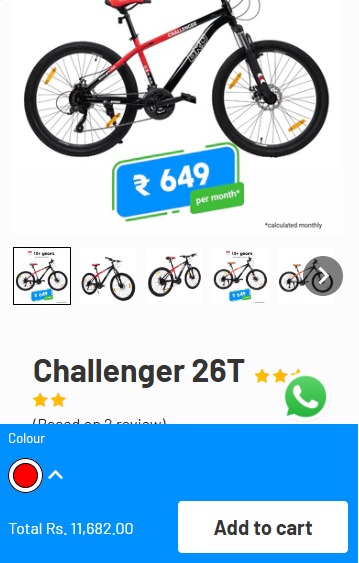 Fragmented variant matrix and confusing subscription pricing tables
🔍 Discovery & Approach
Google Analytics and user drop-off funnels clearly indicated that users were not dropping off because of product price, but because of cognitive friction and speed. The CTO secured budget for a complete overhaul, and we operated as a core pod of three: CTO, Frontend Developer, and myself as Product Manager.
Rather than spending weeks drawing wireframes that would prove impossible to implement natively in Shopify without massive custom CSS bloat, we chose the modern Kalles Theme. We enforced a strict policy: zero undocumented theme modifications, maximum leverage of Shopify Liquid components, and native app deprecation.
✅ What I Did
- Unified Metafield Architecture: Replaced dozens of standalone templates with single scalable templates for bicycles and baby gear powered dynamically by Shopify Metafields.
- Variant & Pricing Rationalization: Stripped out variant noise by locking products to 2–3 hero colors and a standardized 18-month subscription term.
- Intent-Based Campaign Funnels: Rebuilt campaign architecture so Meta ads routed directly to category-specific collection pages or exact product detail pages (PDPs).
- Integrated Content & Upgrade Education: Designed visual, easy-to-read "Subscription vs. Buying" comparison sections and consolidated our blog on-domain.
- Emoji-Led Design Language: Introduced friendly, visual emoji hierarchy to make specifications engaging and understandable for parents and kids.
- End-to-End Delivery & QA: Held daily developer standups, managed Jira sprints, and verified all payment callbacks, mobile responsiveness, and checkout flows through to production launch.
📈 Business Impact
📚 Learnings
- Speed is UX: No marketing budget or visual flourish can overcome a 2-minute load latency. Page speed is a direct driver of conversion rate.
- Less Choice = More Sales: Pruning color variants and consolidating tenure reduced friction and empowered customers to check out on their own.
- Respect Platform Architecture: Choosing a theme built for native Shopify features avoided app conflicts and technical debt.
🧪 Tools & Stack
- Shopify Plus & Liquid Engine
- Shopify Metafields Architecture
- Kalles Responsive Theme
- Google Analytics & Meta Ads Manager